As the dark of night slowly descended upon the earth, the veil between life and death began to flicker, casting forth shadows that danced around the forest trees. A soft humming could be heard in the autumn air, and calmness settled over those gathered in the clearing, waiting to be reunited with loved ones gone before. The presence of those loved ones was, at first, as gentle as the flapping of the nightbird’s wings. A soft breeze tickled the outstretched hands of the living as they waved back and forth, inviting the spirits to lift the veil and make their presence known.
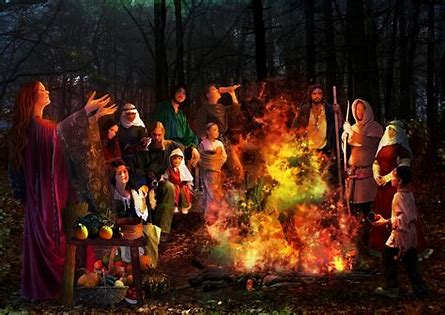
In the stark grey of the early evening light, something began to change. At first, it was just a solitary figure, transparent and hesitant as it made its way forward. It was soon joined by others, and the soft humming picked up in volume. The air was now filled with the sounds of those who passed as they whispered and wove their way into the sightlines of their waiting relatives. All is well, they whispered. All is well. And then, after the briefest of moments, they were gone.
Once again, the veil between the living and the dead was lowered, and silence filled the nighttime air. Those gathered sat in contemplation, remembering their loved ones. Love and fond memories hovered like pinpoints of lights in the sky, competing with the stars as they began to sparkle in the sky. It was time. The flames of the bonfire began to stretch up and fill the air. The crackling and popping of wood were matched by keening as those present in this world cast out their sorrow. Soon, sorrow gave way to joy, and the Samhain celebration began.
Maybe this isn’t how you and I celebrated Halloween this year, but for the ancient Celts, Samhain, pronounced “sah wan”, was the time of the year when the veil between the living and the dead was at its thinnest. People would remember their beloved dead and celebrate with fire, food, and stories. It was also a time to give thanks for the harvest and to prepare for the coming cold, dark months of winter.
Samhain was once celebrated mainly in Ireland, Scotland, and the Isle of Man. But when the Irish Potato Famine hit, many people immigrated to America, bringing those traditions with them. Samhain is also the Celtic New Year’s Eve. It begins on the evening of October 31 and ends on the evening of November 1, and it signifies the Celtic New Year. On a side note, All Saints Day and All Souls Day are both Christian holidays that commemorate the dead but have different meanings and observances. All Saints Day is celebrated on Nov. 1 and is a day to honour all the saints (canonized by the Catholic Church) in heaven. It is also known as the Day of the Dead in some cultures. All Souls Day is celebrated on Nov. 2 and is a day to pray for souls in purgatory, regardless of their status as saints. It is a day to remember and honour the dead and is also known as the Day of Remembrance in some cultures.
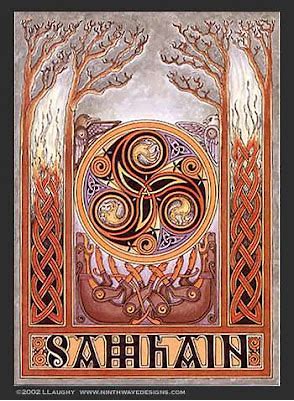
But back to Samhain. In ancient times, the Celts would gather, light a large bonfire, share food from their harvest, and have a great feast. Fire was a very important ritual. It represented the sun, which was disappearing as winter drew near. After the festival was over, the Celts lit fires in their own homes using flames from the sacred bonfire. The Celts believed in various supernatural creatures, like elves or faeries in Celtic mythology, and left offerings for them in the hopes that they would keep their families and livestock healthy through the winter. For example, one legend is of the cat Sith, a giant black cat with a white patch on its chest. This cat would curse homes that didn’t leave a saucer of milk out for it. The curse would render the cows unable to produce milk. There were also tales of creatures of the night kidnapping Celts or playing evil tricks on them. So, to hide from unwanted spirits and monsters, the Celts disguised themselves by dressing up in animal skins. They even carved pumpkins in the hopes of keeping evil spirits away.
Like any holiday or spiritual observance, there are many ways to celebrate Samhain today. My family just started observing it a few years ago, rather than handing out candy to trick-or-treaters. I think I suffer from Samhainaphobia, which is the extreme fear of Halloween, because I get really annoyed by kids ringing the doorbell or yelling as they come up the walk. It sets off a tidal wave of barking dogs, cats running for cover, and an overall disruption of life. Sure, I did it for a good many years, and my three kids did it for years. But now, rather than be tormented by sugar-loaded minions and whatever other costume trend finds its way to stores, we choose to observe Samhain. We have a bonfire in the backyard fire pit, although it is more symbolic than anything at this time of the year because it is a bit chilly outside. This year it will be around 0 degrees, and although the fire keeps you warm, there is wet snow on the ground, so it will be wet. (There is a difference between wet snow and dry snow!) We will recite a Samhain poem or blessing and make a deity from twigs, leaves, and fallen flowers in the yard. This deity will either be the King of Winter or Crone, and it will sit at our Samhain table and then be relegated to a potted plant to protect our home. In the spring, it will be tossed into the Beltane fire. We will enjoy a meal: dark bread, hearty soup, soul cakes, and, of course, mulled wine. We will also remember our ancestors and close friends who have passed.
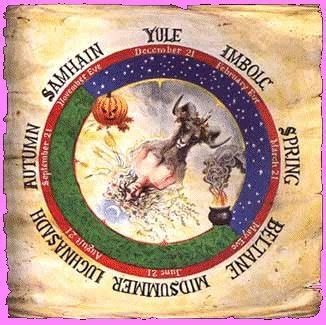
Samhain is also nature’s way of telling us it is time to rest, reflect, and settle in. It’s time to prepare for the winter months. I’m fine with that. I can already feel my body starting to slow down and crave “warm” things such as a good book, a fire, a good soup or stew, and friends gathered to share stories. It’s dark and cold by 6 p.m. But we are just a few weeks away from the Winter Solstice, and then the days will start to get longer, and life will take on yet another rhythm.
For now, if you are reading this blog on Nov. 1, you still have time to observe Samhain! Enjoy a hearty meal with family or friends. Cherish your memories and celebrate those who came before. Merry Meet, Merry Part, and Merry Meet Again.
Interesting Reads & Things
Rituals, Rites, and Folklore 🍂 The Witch’s Way at Samhain – YouTube
Samhain – the traditions of Halloween at National Museum of Ireland – Country Life – YouTube
All About Samhain – What is Samhain? (learnreligions.com)
What Is Samhain? Origin of Halloween Rooted in Pagan Holiday | Time
 Wanderings Art