
I was having a great game. Things were going my way; my shots were landing where I wanted. Suddenly, I felt a “twaaaang” around my right hip. What the heck was that? Oh well, the adrenalin surged, and I kept playing. The strange sensation was forgotten, and I finished the game. Just before the next one, when I went to get off the bench, I told a fellow pickleballer that I felt a bit like an accordion because I had to slowly unfold my body rather than leap up like I would normally. That should have been a sign to call it a night and go home. Did I? Of course not! There were still games to be played!
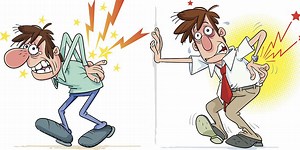
I forgot all about the incident until I went to get up off the couch the next morning. I was painfully stopped about halfway up. No accordion this time; it was a straight-out block. It was terrifying. It hurt like nothing had ever hurt before. (Well, that is probably an exaggeration, but at the time, that’s what it felt like.) I sank down into the soft couch again, then tried a sideways move. No go. I tried to turn the other way. Nope. My back was not going to cooperate. I had to get ready to go for my COVID and flu vaccines and then to work. What was I going to do? The dogs needed to go out. I was alone at home. I was stuck. I was too stubborn to call someone to come rescue me. I finally crawled off the couch, got ready to go, and, despite the muscle spasms I was experiencing, drove to the pharmacy.
The pharmacist took one look at my pain-stricken, pale face and knew something was wrong. Thankfully, after giving me my vaccines, she gave me some muscle relaxants and painkillers. Those little pills became my lifeline over the next week. I don’t know if they worked, but I took them anyway. Maybe the pain would have been much worse without them. I shudder to think of that. I returned home and, gratefully sank down on the couch again. I pretty much stayed there for the next few days.
The next few weeks were not fun. I’ve never experienced that kind of pain or mobility issues before. Sure, I’ve sprained ankles, twisted knees, bruised my shins, and suffered assorted mini-injuries, but I’ve always been able to get around. This pain was excruciating. For the first few days, it hurt to sit. It hurt to lay down. I couldn’t walk. And getting up off the couch or out of bed? It still makes me shudder. After a few days and countless pain meds, sticky heat pads, and tears, I was able to slowly manoeuvre around the furniture and kitchen cabinets. Stairs posed a problem, and it was not a good time to live in a split level. I managed to go to work, but I was perfectly content to let my family take over and look after me once I came home. And no, I did not see a doctor or go to a physiotherapist.
When I finally started to see some light, the frustration of not being able to “get up and go” set in. I became depressed. Did this signify the beginning of a life of mobility issues? Would I ever walk pain-free again? Did I need a walker? A cane? Would I have to quit pickleball? And just one glance at my dog’s soulful eyes reminded me of the calming morning walks we were missing.
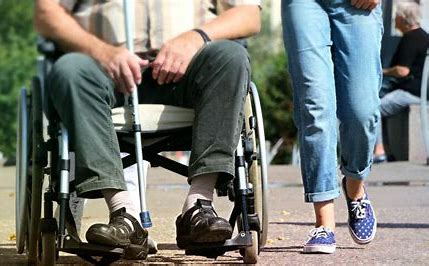
After a couple of weeks, I could straighten up and move around a bit unassisted. My husband and I drove three hours to attend the last home game of our beloved CFL football team, the Saskatchewan Roughriders. I was worried about doing this, but since we were meeting up with our daughter, I knew I had two people who could help me get to my seat. Sadly, I wasn’t the only one with mobility issues that day. Our football team was obviously experiencing some of the same problems as they hobbled around the field trying to force a win against the league’s top team. Good game, but no success. Anyway, when we left, we jumped (not literally) on the shuttle to return to our car. The driver hit a few bumps in a row that sent me and other passengers a couple feet in the air. It set me back a few degrees. As we slowly walked to the car, we stepped aside to let some people pass. My daughter, being the polite young woman that I raised, said, “Go ahead. We’re a bit slow.” My heart sank. Was this the way it would be from now on? Had I become the old lady shuffling down the street? Would the next step be taking an arm just to cross. horns honking, and rude shouts of “get a move on” echoing in my ears?
Well, I’m pleased to say that as I write this, I am feeling better. I’m back on the pickleball court again, and the dog is happy that we can go for walks. It was a wake-up call, that’s for sure.
Mobility issues are a common concern among our aging population, which yes, does include us Baby Boomers and the Generation Jones folk. As we age, our body changes, our muscles may weaken, our bones become more brittle, and our balance can be off. There are other conditions, such as arthritis, osteoporosis, diabetes, heart disease, stroke, etc., that can make mobility challenging. For those of us “seniors” who are still relatively active, it is easy to forget about these things as we stride purposefully around the walking trail, hop on a bike, or grab a racquet for the next game. My kids shudder when they ask if I warmed up before playing pickleball, and I say, “Well, we hit the ball around a few times.” Not good. (But really, stretching just cuts into playing time!)
The real kicker is that mobility issues often start to surface around the time we retire. We start walking more, hiking, taking up a sport, or just doing more of what we did while working. We forget that our muscles aren’t used to this! In Canada, falls are the most common cause of injury among older adults, and it is estimated that at least one in three seniors (65+) will fall at least once a year. Good grief! And a lot of those falls happen in the home! This year, I’ve seen several of my comrades go down on the pickleball court. Broken wrists, injured backs, bruised ribs, broken toes, and pulled shoulder muscles are some of the things that have come up.
As of July 2022, nearly 19 percent of Canadians were over the age of 65. I’m thinking this number will grow, thanks to advancements in health care. On the other hand, it is extremely difficult to access that health care right now. Don’t get me started!
There are a lot of things that can be done to reduce the chance of having to go through the pain of accessing healthcare. Staying active and mindful (how many times have you tripped over the cat because you weren’t paying attention to where you were walking?) and working on building healthy muscles is very important and quite easy to do if you put your mind to it. Don’t forget to warm up! You always preheat the oven, right? Treat your body the same way.
Enjoy your day. Go for a walk, do some yoga. Stretch. Your body will thank you, and it only takes a few minutes a day. Yep. Easier said than done! Take care.
Interesting Reads & Things
Loss of Mobility in Older Adults: Causes and Treatment | livestrong
Seniors infographic – 2021 – Canada.ca
Exercise Plan for Seniors: Strength, Stretching, and Balance (healthline.com)
20 Minute Dance Workout for Seniors | SilverSneakers – YouTube
20-Minute Gentle Qi Gong Exercise Routine for Seniors – Seated or Standing – YouTube
Pre-Thanksgiving Cardio Jam Aerobics | Low & High Impact | Challenge Yourself! – YouTube
 Wanderings Art